Get in Touch
Unravel the Art of Catering with us,
One Thread at a Time

Luck has long been a fundamental aspect of gambling, serving as both the allure and the mystery behind the games. Participants are often drawn to the thrill of chance, as it introduces an unpredictable element that can lead to unexpected wins or losses. This unpredictability creates excitement and anticipation, enhancing the overall experience. Many players enjoy platforms that offer various features, such as an instant withdrawal casino uk , which can further amplify the thrill of winning big and experiencing the highs and lows that come with chance-based games.
While skillful strategies can influence certain games, like poker or blackjack, the role of luck cannot be understated. In games such as slots and roulette, outcomes are primarily determined by random chance. This randomness is critical, as it levels the playing field among players, allowing newcomers to compete against veterans. Thus, luck plays a dual role—serving as a motivator for engagement while equally acting as a significant factor affecting overall outcomes.
The belief in luck can also lead to the phenomenon known as the “gambler’s fallacy.” This misbelief occurs when players assume that past outcomes will influence future results. For example, if a player witnesses a string of losses, they may feel that a win is “due” to occur. This psychological aspect of luck not only impacts individual decisions but can also shape broader gambling behaviors, leading to patterns that might defy statistical realities.
The distinction between luck and skill is essential when analyzing various gambling scenarios. In games centered around skill, players often employ strategies based on their knowledge of the game, understanding of probabilities, and ability to read opponents. For instance, poker is a game where strategic thinking and psychological tactics can significantly affect outcomes. Even in such games, however, an element of luck is unavoidable, as the cards dealt can dramatically shift the odds in favor of one player over another.
In contrast, games of pure chance, such as the lottery or slot machines, demonstrate that luck plays the predominant role. No amount of strategy can alter the random draw of numbers or the spinning of reels. This creates a unique dynamic where the odds of winning are predetermined, and players must rely solely on luck. Interestingly, the design of these games often capitalizes on the concept of luck, inviting players to dream about the potential for life-altering wins.
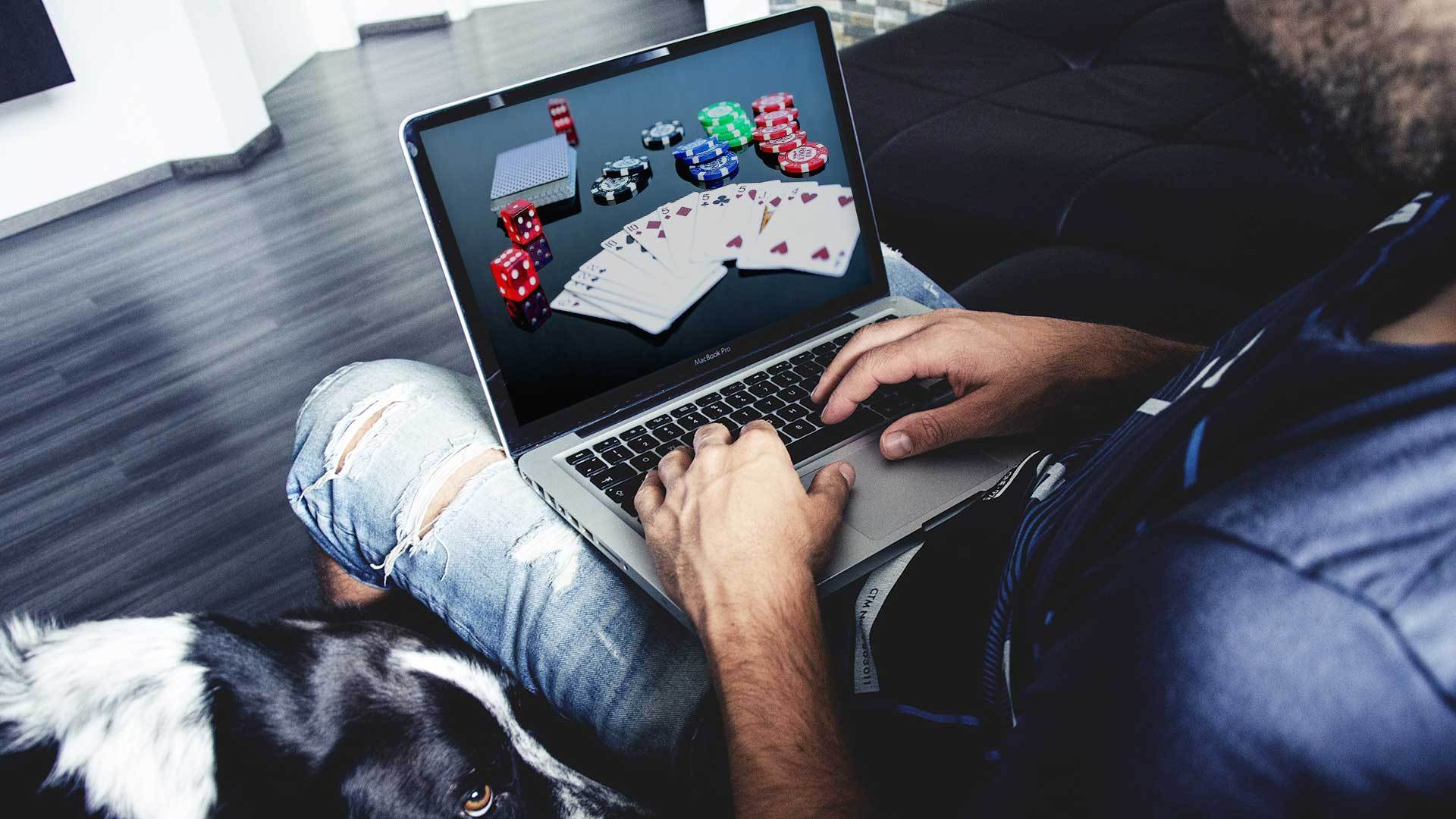
Ultimately, understanding the balance between luck and skill is vital for any gambler. Players must acknowledge that while skill can improve their odds in certain situations, luck remains an overarching factor that can sway outcomes unpredictably. The interdependence of luck and skill helps define the experience of gambling, as each player navigates their own journey through uncertainty and chance.
The psychological aspects of luck play a crucial role in shaping the gambling experience. Players often project their hopes and desires onto the concept of luck, believing that certain rituals or superstitions can influence their fortunes. Many gamblers adhere to specific routines, such as wearing lucky clothing or engaging in particular habits during games, in the hopes that these actions will affect their luck positively. This blending of superstition with gambling adds an emotional depth to the experience, making each game not just about chance but also about personal belief and psychological investment.
Moreover, the perception of luck varies significantly among individuals. Some players may view luck as a random occurrence, while others may attribute it to a higher power or fate. This divergence in belief impacts how gamblers approach their games. Those who see luck as something they can influence may adopt a more optimistic attitude, which can enhance their enjoyment and persistence, even in the face of losses. Conversely, individuals who feel that luck is entirely outside their control may experience frustration or anxiety, leading to a diminished gambling experience.
Research has indicated that the emotional highs and lows associated with gambling can reinforce the belief in luck. Winning streaks can create a sense of euphoria, while losses can lead to despair. This cycle can impact not just the immediate experience but also long-term gambling behavior. Players may find themselves caught in a chase for luck, leading to either responsible gaming or harmful gambling habits. Understanding these psychological elements can help players navigate their own experiences more effectively, fostering a healthier relationship with betting.
Luck is intricately tied to the concept of odds and the house edge in gambling. Odds represent the probability of winning in any given game, while the house edge refers to the mathematical advantage that casinos maintain over players. This edge ensures that while players may experience short-term wins due to luck, the house will always have a statistical advantage over time. Understanding this relationship informs gamblers about the role of luck in their potential outcomes, emphasizing that success can be fleeting.

For instance, in games like blackjack, skillful play can reduce the house edge, yet players are still reliant on the luck of the draw. Conversely, in slots, the outcomes are entirely random, meaning that luck alone dictates success or failure. This disparity illustrates how different gambling activities can amplify or diminish the influence of luck, reshaping how players engage with each game.
Additionally, while luck can indeed lead to extraordinary wins, it is essential to approach gambling realistically. Over-reliance on luck can lead players to make unwise decisions based purely on hope rather than informed strategy. By appreciating the house edge and the inherent luck factor, players can cultivate a more balanced approach that recognizes the limits of chance, thereby enhancing their overall gaming experience.
Luck is not only a concept embedded in individual gambling experiences but also forms a significant part of gambling culture. Around the world, various cultures have different beliefs and attitudes towards luck, which can influence how people engage with gambling activities. For instance, in some cultures, certain numbers are considered lucky or unlucky, impacting game choices and betting strategies. This cultural significance of luck can create a rich tapestry of practices and rituals that accompany gambling, enhancing its social aspects.
Moreover, the celebration of luck in gambling is often reflected in media and entertainment, from films and literature to advertising campaigns. These portrayals can glamorize the idea of luck, shaping societal perceptions of gambling as a potential pathway to success. However, this can also lead to misconceptions about the nature of gambling and its inherent risks, contributing to unrealistic expectations among players.
As gambling continues to evolve with technology, the role of luck will remain a central theme within contemporary gambling experiences. Online platforms often incorporate elements of chance that echo traditional gaming experiences, further emphasizing the unpredictability of outcomes. Understanding how luck intersects with culture, psychology, and technology can provide valuable insights into the ever-changing landscape of gambling, guiding players toward informed and responsible engagement with games of chance.